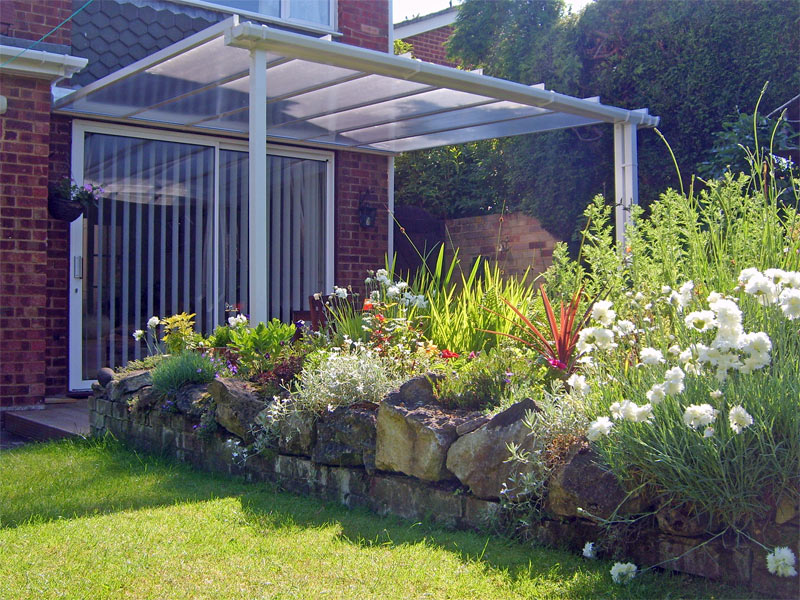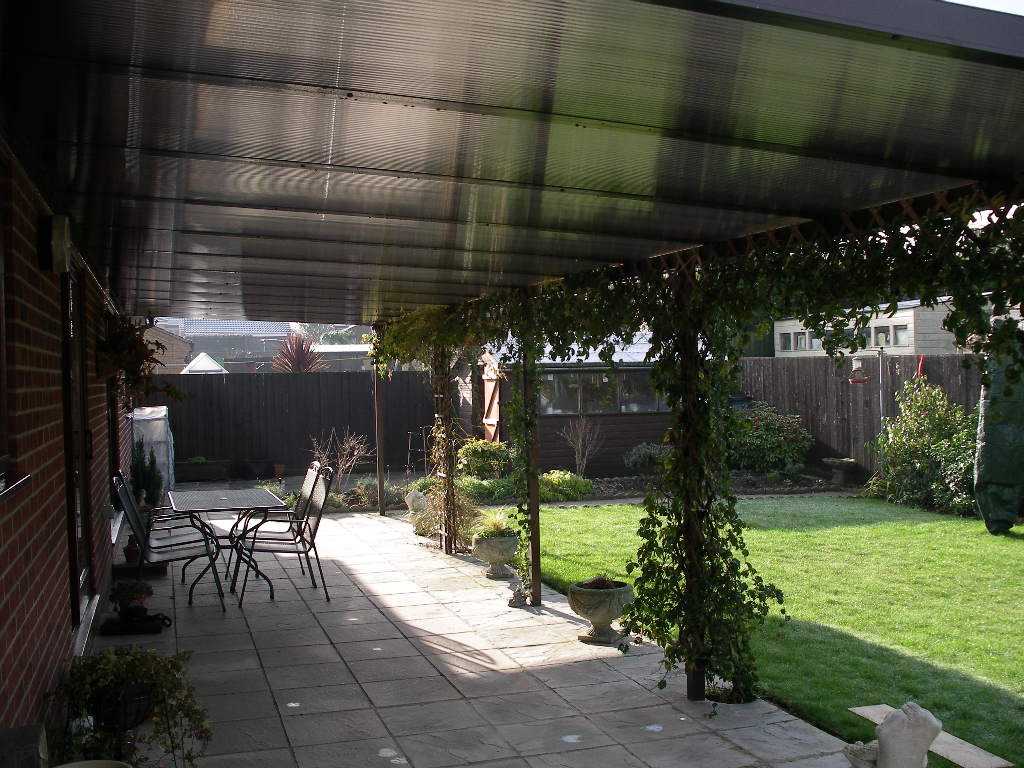
As autumn sets in, it’s time to give some essential attention to your polycarbonate roofing and take preventive measures to protect your roofing this winter. Inspecting and maintaining your polycarbonate roofing panels allows you to identify and address any potential issues, such as cracks, leaks, or damaged seals, before they escalate into costly problems. By investing a little time and effort into your polycarbonate roofing now, you can ensure the longevity and durability of your roofing this winter, so read on to explore our essential autumn maintenance tips.
Polycarbonate Roofing Autumn Maintenance
Polycarbonate roofing is a popular choice for many homeowners and its durability, lightweight composition, and impact resistance make it an excellent option for conservatory and lean-to roofs. While the polycarbonate roofing itself requires very little maintenance besides an occasional wipe down, and its durability and UV resistance makes it unlikely to become damaged, there are several ways to maintain a polycarbonate roof.
Autumn maintenance plays a crucial role in preserving the longevity and performance of your polycarbonate roofing. As the season changes, the weather becomes unpredictable, and winter poses various challenges for your roofing, so by preparing your roof in advance you can prevent potential issues and ensure that your roof remains in optimal condition throughout the winter months.
Cleaning Your Polycarbonate Roof
One of the first steps in autumn maintenance for your polycarbonate roof is cleaning and removing debris from the top of your roof. Over time, leaves, twigs, and other debris can accumulate on your roof, blocking gutters and drains, and leading to water pooling or potential leaks so regularly cleaning your roof and removing any debris will help prevent these issues.
When gently sweeping away any loose debris from the surface of your roof, be careful not to apply excessive force, as you don’t want to scratch or damage the panels, and for hard-to-reach areas, you can use a long-handled brush or a leaf blower. Once the loose debris is cleared, use a mild detergent mixed with water and a soft sponge or cloth to wipe down the panels and rinse thoroughly with clean water to remove any residue and prevent streaking.
Inspecting the Panels
Regular inspection is vital to identify any damages, leaks, cracks, or gaps in your polycarbonate sheets. These issues, if left unaddressed, can lead to more significant problems, such as water seepage, mould growth, or structural damage, so inspecting your roofing panels allows you to catch these issues early on and take appropriate measures to fix them.
Start by inspecting your roof for any visible signs of damage, such as cracks or holes. Pay close attention to areas where the panels are joined or sealed, as these areas are more prone to leaks, and if you notice any cracks or gaps in these areas, use a high-quality polycarbonate sealant to seal them. Additionally, check the flashing around vents, chimneys, or skylights for any signs of wear or damage and make arrangements to have these issues repaired as needed before winter.
You should also take the opportunity, whilst cleaning your roof after removing any debris, to keep an eye out for any sections of the roof that begin to leak. Even if you do not notice any leaks, pay attention to any areas where water seems to be pooling or seeping through and have these areas repaired before they can become large-scale leaks and structural issues.
Checking Gutters and Drains
Properly functioning gutters, drains, and downspouts prevent water buildup, protect your roof from potential damage, and ensure efficient water drainage, so checking and cleaning these components is a crucial part of your autumn maintenance routine.
Start by inspecting the gutters and drains for any signs of clogs or obstructions. Use a trowel to clear out any leaves, twigs, or debris that may be clogging the gutters, as this can impede water flow, and consider installing gutter guards to prevent future debris buildup. Once the drains and gutters are clear and free from any blockages, make sure that the end of the downspouts are directing water away from the foundation of your home and into the newly cleared drain to prevent structural water damage.
Once you have completed this step, it is worth assessing any overhanging trees or dense foliage near your roof, as the leaves will shed during autumn and most likely block your drains again or accumulate on your roof, and falling branches can pose the risk of damage during the winter. Therefore, take the time to trim any overhanging branches that may drop their leaves onto your roof during the winter, or may pose a risk of falling during strong winds or storms, and clean up any fallen leaves or debris regularly to prevent them from accumulating on your roof.
Maintaining Proper Ventilation and Insulation
Proper ventilation and insulation are essential for maintaining an energy-efficient roofing system that prevents condensation, mould growth, and excessive heat buildup. In order to maintain proper ventilation and insulation throughout the year, make sure that you inspect the ventilation openings and ensure that they are clear from any obstructions during your autumn maintenance routine. These may include debris, leaves, excessive amounts of dust, or even animal nests, and once they have been removed make sure to make the necessary repairs to any damaged vents. Insufficient insulation can lead to heat loss and increased energy bills during winter months, so add or replace insulation as needed to maintain proper energy efficiency as well as keeping your conservatory well-ventilated and structurally sound.
Prepare your Polycarbonate Roofing for Winter with MW Roofline
Preparing your polycarbonate roofing for winter is a crucial step in ensuring its longevity and durability, and by following these essential autumn maintenance tips, you can identify and address any potential issues before they escalate into costly problems.
If you need expert advice or assistance with your autumn maintenance, contact our team at MW Roofline for professional guidance and expert advice, and don’t wait until winter arrives to take action to protect your polycarbonate roofing.